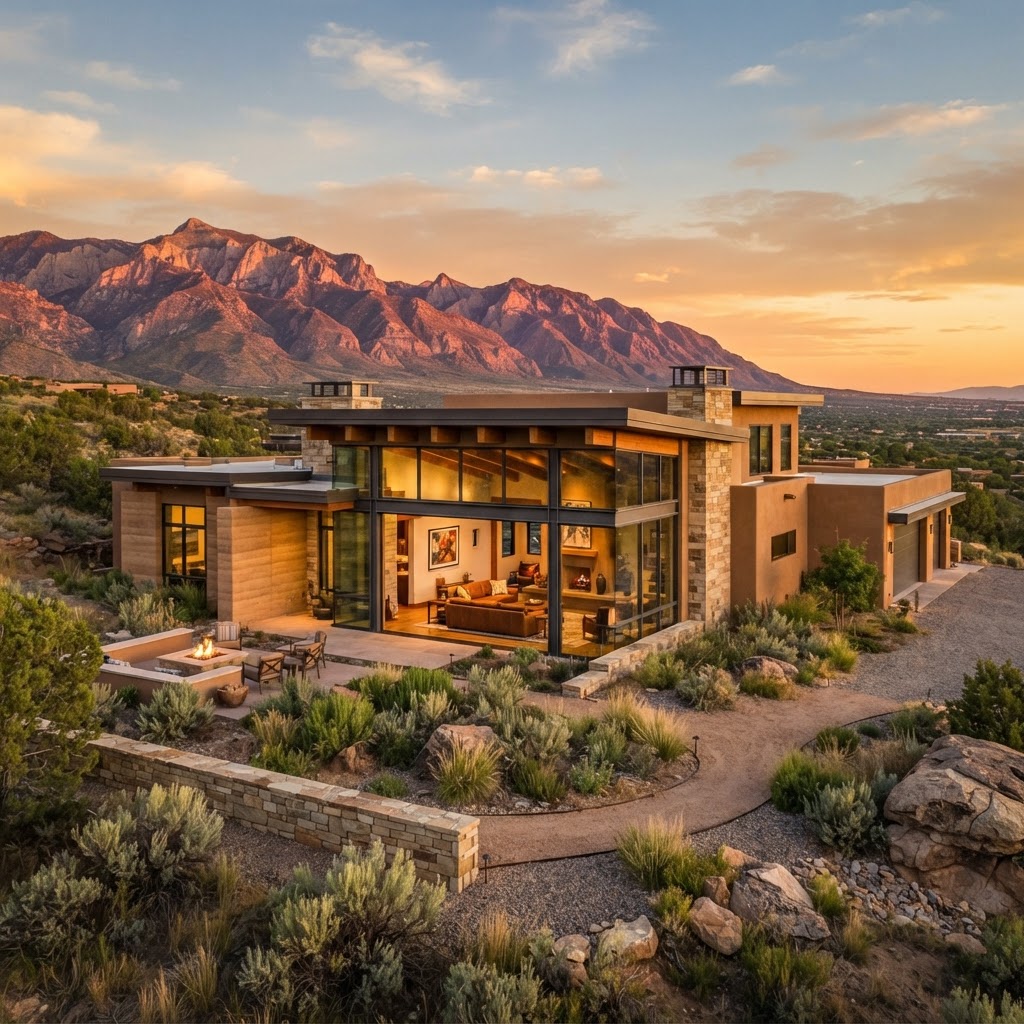
Building a custom home is one of the largest investments you will ever make, and choosing the right builder is the single most important decision in the process. Across New Mexico and Texas, where high-desert soils, extreme heat, and city-specific permitting all shape how a home should be built, the right builder makes the difference between a home that lasts decades and one that causes headaches for years.
1. Verify Licensing and Insurance
Always work with a licensed, bonded, and insured general contractor. Ask for the license number and verify it with your state's licensing board. A licensed contractor protects you financially if something goes wrong and is accountable to the state for meeting building standards.
Rodeo Construction is a licensed general contractor, fully bonded and insured, with 20+ years of experience building across New Mexico and Texas.
2. Look for Local Construction Experience
The Southwest is not like other markets. Expansive clay and caliche soils can crack an improperly engineered foundation. Summer temperatures regularly exceed 100 degrees, which demands high-performance insulation, right-sized HVAC, and glazing that resists heat gain. High winds and hail test every roof and flashing detail. A builder who learned their trade in a milder climate may not plan for these realities.
Ask potential builders: How do you engineer foundations for local soils? What insulation values do you use? How do you size HVAC for a home with large west-facing windows? The answers tell you whether they understand Southwest construction.
3. Review Their Portfolio and References
A builder's portfolio shows you what they can deliver; their references tell you what it is like to work with them. Ask for 3 to 5 past client references and call them. Ask about communication, schedule adherence, budget accuracy, and whether they would hire the builder again.
Look at completed projects similar to yours in style and size. A builder who excels at production homes may not be the right fit for a luxury custom estate, and vice versa.
4. Evaluate Communication and Project Management
The best builders communicate proactively. You should know who your project manager is, how often you will get updates, and how change orders are handled before construction starts. If a builder is hard to reach during the bidding process, they will be harder to reach during construction.
Ask: Who is my point of contact? How often will I get schedule updates? How do you handle change orders? Clear answers are a good sign.
5. Demand Transparent Pricing
A detailed, line-item estimate is essential. Vague allowances and round numbers are red flags, they leave room for surprise costs later. A quality builder breaks down every cost category: foundation, framing, systems, finishes, and contingencies. You should understand exactly what you are paying for before you sign a contract.
Red Flags to Watch For
- No license or an expired one, walk away immediately.
- Pressure to skip permits, permits protect you and your investment.
- Vague estimates with no line items or allowances.
- No references or reluctance to provide them.
- Large upfront payments, be cautious of any builder demanding a large deposit before work begins.
Frequently Asked Questions
How do I verify a contractor's license?
Search the contractor's name or license number on your state's licensing board website. Confirm the license is active, bonded, and in good standing.
How much should I pay upfront for a custom home?
Initial deposits should be modest and tied to milestones in the contract. Be cautious of any builder demanding a large upfront payment before any work begins.
How long does it take to build a custom home?
From breaking ground to move-in, a custom home usually takes 9 to 18 months. Permitting can take 4 to 8 weeks, and complex lots or HOA approvals may add time.
Ready to start building? Learn about our custom home building services or get a free estimate.